Texas State Parts Ways With Defensive Coordinator Dexter McCoil Sr.; Early Candidates Emerge
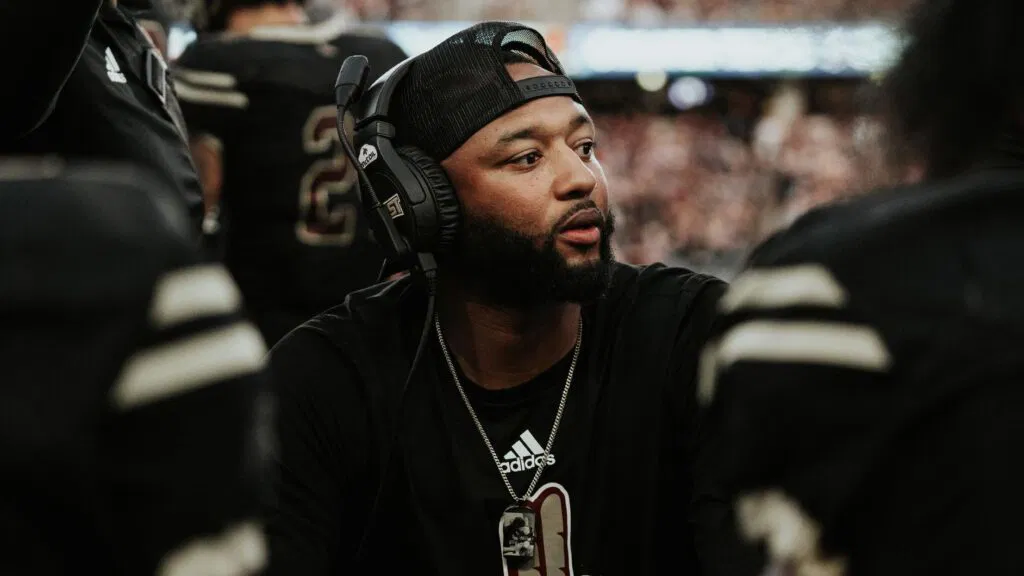
SAN MARCOS– Texas State head coach GJ Kinne has made a major late-season staff change, parting ways with defensive coordinator Dexter McCoil Sr. just days before the Bobcats prepare for their bowl game. The decision comes after a turbulent defensive campaign in which Texas State surrendered more than 30 points per game and struggled to generate consistency in conference play.
McCoil, a former NFL safety and teammates with GJ Kinnie at Tulsa, joined Kinne’s staff as safeties coach in 2023. Ahead of the 2024 season, he earned a promotion to defensive coordinator and oversaw a unit that made notable strides. However, Texas State’s defense regressed drastically this season, ultimately leading to McCoil’s termination as the program prepares for its first year in the Pac-12.
Interim DC named
Cornerbacks coach and defensive recruiting coordinator Matthew Gregg has been named interim defensive coordinator for the bowl game. Gregg, a respected recruiter within the program, has been viewed internally as an up-and-coming coach and will be closely evaluated throughout the postseason.
Potential candidates to watch
With Texas State entering a pivotal transition period, Kinne’s next hire will shape the program’s defensive identity heading into 2026. Several names — both internal and external — make sense for the role:
1. Matthew Gregg (Texas State — Interim)
Gregg, in his third year with the Bobcats, is the most natural internal candidate. He has strong rapport with players, plays a major role in defensive recruiting and offers continuity. If Texas State performs well in the bowl game, or if Kinne prefers stability, Gregg could shed the interim tag.
2. Bradley Dale Peveto (Texas State — Co-DC/LB coach)
Peveto already carries co-defensive coordinator responsibilities and brings extensive experience, including a previous DC role at UTEP. His familiarity with the roster and Texas State’s defensive structure could make him an appealing in-house option if Kinne seeks minimal disruption.
3. Brandon Bailey (Former Georgia Southern DC)
Bailey, recently let go by Georgia Southern, is a young coordinator with Sun Belt experience and a modern defensive approach. His familiarity with Group of Five recruiting and offensive styles across the region makes him a realistic external candidate.
4. Craig Naivar (Arizona — Special Teams Coach)
Naivar is an interesting candidate, as he previously served as Texas State’s defensive coordinator during the program’s transition from the FCS to the FBS. Naivar’s familiarity with the program and his long-standing defensive background make him a name worth monitoring if Kinne considers a veteran presence for the role.
5. Skyler Cassity (Georgia Tech — LB Coach)
Cassity, who previously coached at Texas State under former head coach Jake Spavital, has rebuilt his résumé with a strong run at Georgia Tech. He is widely respected as a young, energetic coach and recruiter with a reputation for developing linebackers and connecting with players. His familiarity with Texas State make him a natural name to monitor.
6. Rising Power Five assistants
Names such as Chris Hampton — currently an assistant defensive coordinator and safeties coach at Oregon — fit the mold of an ambitious hire. Kinne has shown a willingness to bring in young, energetic play-callers, and Hampton is widely viewed as a coach on the rise.
7. Experienced G5/FCS coordinators
Texas State may also target an established defensive coordinator from the Group of Five or upper-tier FCS ranks — a coach with a proven track record who fits within the program’s financial parameters.
What’s next
Kinne’s goal is clear: elevate the defense to match Texas State’s offensive momentum and prepare the Bobcats for a leap in competition as they enter the Pac-12. With a bowl game approaching and the recruiting calendar accelerating, the timeline for naming a new defensive coordinator is expected to move quickly.
Texas State’s next defensive leader will inherit a talented but inconsistent unit — and the responsibility of shaping the program’s identity in a new conference.